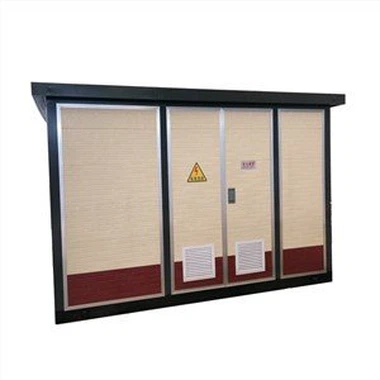
The difference between dry-type transformers and oil-immersed transformers
Jul 30, 2021
1. The appearance of the package is different
Dry-type transformers can directly see the iron core and coil, while oil-type transformers can only see the outer shell of the transformer.
2. Different lead forms
Dry-type transformers mostly use silicone rubber bushings, while oil-type transformers mostly use porcelain bushings.
3. The capacity and voltage are different
Dry-type transformers are generally suitable for power distribution, and the capacity is mostly below 1600KVA, and the voltage is below 10KV.
Oil-type transformers can achieve full capacity from small to large, and the voltage level also achieves all voltages.
4. Insulation and heat dissipation are different
Dry-type transformers are generally insulated by resin, cooled by natural air, and large-capacity are cooled by fans.
Oil-type transformers rely on insulating oil for insulation, and the circulation of insulating oil inside the transformer transfers the heat generated by the coil to the radiator (sheet) of the transformer for heat dissipation.
5. Applicable places
Dry-type transformers are mostly used in places that require fire and explosion protection, such as large buildings and high-rise buildings.
In the event of an accident, oil-type transformers may have oil sprayed or leaked, causing fires, so they are mostly used outdoors.
6. Different load bearing capacity
Generally, dry-type transformers should be operated under rated capacity, while oil-type transformers have better overload capacity.
7, the cost is different
For transformers of the same capacity, the purchase price of dry-type transformers is much higher than that of oil-type transformers.