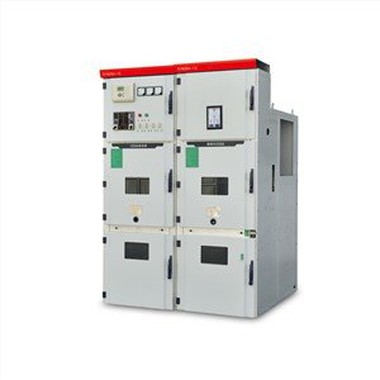
Inspection Method Of Low Voltage Switchgear
Mar 15, 2021
In the assembly process of the low-voltage switchgear, after each major process is completed, inspections must be carried out to ensure that the quality of each process meets the requirements. During the assembly process of the switchgear, four procedures are to be inspected. Early switch cabinets were welded, but now they are mostly assembled. The machined columns, beams, door panels, partitions, side panels and other components will be assembled into a cabinet. The external dimension inspection is to check the machining quality (in the machining process, there are also process inspections), and the second is to check the assembly quality.
The other dimension is the difference between the diagonals. This is to test the verticality of the frame assembly. If the verticality of the vertical column and the bottom frame in the frame assembly is not good, the frame will tilt, and the front, back or two sides of the cabinet will become parallelograms (the correct one should be a rectangle). Similarly, the bottom frame assembly also has this problem. If the verticality of the frame is not good, the cabinet will sway, and multiple units will be assembled together at the user site, which is not beautiful, wastes space, and also affects the connection between the cabinet and the busbar, so this is not allowed. However, it is not easy to directly measure the verticality, so the method of measuring the diagonal line is adopted, that is, the diagonal line of the two sides, back and bottom frame of the cabinet is measured. If the difference between the two diagonal lines on the same side does not exceed the specified value , It is judged qualified.
What to check
1) Whether the model, specification and quantity of the components used meet the drawing requirements;
2) Whether the installation and layout of the components meet the process requirements;
3) The indicator lights, buttons, and meters on the panel should be horizontal and vertical (when designing, the ergonomics requirements should also be considered. For example, buttons and meters should not be installed in a position that is too high or too low, otherwise operation and observation Are inconvenient);
4) Whether the components have complete signs and nameplates, and whether the contents on the signs are correct;
5) Whether the component installation is reliable, reasonable, and meets the installation requirements of the component manufacturer (for example, some components can only be installed vertically, not horizontally installed, and some are not allowed to tilt, etc.).
6) Also check whether the electrical clearance and creepage distance of live parts in electrical components and functional units meet the requirements, and whether the arcing distances of circuit breakers and AC contactors are qualified.
7) The distance between the bare live terminals and other live conductors of electrical components and metal components (such as frames, partitions, door panels, etc.) must not be less than 20 mm. If the requirements are not met, insulation measures must be taken. There should be a baffle between the fuse of each phase to prevent the fuse of one phase from being blown to affect the adjacent fuse.