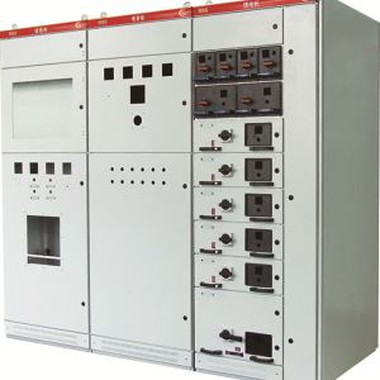
What is the difference between substation and distribution station and substation and distribution room?
Dec 06, 2021
Generally speaking, substation and distribution station are large, with many equipment and high risk. They usually supply power to users in a region, and the low voltage level of the output voltage is usually more than 10KV.
The substation and distribution room is a room, which is relatively dangerous to the substation. It can be set in the building or adjacent to the unit for internal use. The low-voltage output is usually 220V/380V, which directly supplies electricity to the appliances.
In the "Construction Regulations", there are a number of provisions for substation and distribution station and substation and distribution room, mainly as follows:
3.2.6 The fire resistance grade of oil-immersed transformer room and high-voltage distribution device room shall not be lower than grade 2, and other fire prevention design shall conform to the current national standard GB 50229 and other standards.
3.3.8 Transformer and distribution stations shall not be set in or adjacent to class A and B workshops, and shall not be set in the dangerous area of explosive gas and dust environment. The transformer and distribution power stations of 10kV and below dedicated to class A and B workshops can be adjacent to each other when separated by firewalls without doors, Windows or holes, and should comply with the current national standard "Code for Design of Electric Devices in Explosive Dangerous Environment" GB 50058 and other standards. Class A fire Windows should be used when the distribution power station of class B workshop really needs to open Windows on the fire walls.
3.4.11 For outdoor transformer stations with power system voltage of 35kV ~ 500kV and transformer capacity of not less than 10MV·A, distribution stations and outdoor step-down transformer substations with transformer total oil content of more than 5T in industrial enterprises, the fire distance between them and other buildings shall not be less than the provisions in Article 3.4.1 and 3.5.1 of this Code.
5.2.3 The fire distance between the civil building and the substation built separately shall conform to the provisions of Article 3.4.1 concerning outdoor substation and distribution power station of this code, but the fire distance between the civil building and the terminal substation built separately shall be determined according to the provisions of Article 5.2.2 concerning civil building of this Code according to the fire resistance grade of the substation. The fire distance between civil buildings and pre-installed substations of 10kV and below should not be less than 3m.
5.4.12-5 Fireproof partition walls with fire resistance limit not less than 2.00h shall be set between transformer rooms and between transformer rooms and distribution rooms.
6.2.7 Fire control room, fire extinguishing equipment room, fire water pump room, ventilation and air conditioning room and power distribution room shall be separated from other parts with fire resistance limit of not less than 2.00h by fire partition wall and 1.50h by floor slab. The doors of ventilation and air conditioning rooms and power distribution rooms shall be class A fire doors, and the doors of fire control rooms and other equipment rooms shall be class B fire doors.
8.3.9-1 Transformer and distribution room and UNinterruptible power supply (UPS) room shall be equipped with automatic fire extinguishing system, and gas fire extinguishing system shall be used.
10.3.3 Backup lighting shall be set up in the fire control room, fire water pump room, self-provided generator room, power distribution room, smoke control and exhaust room and fire equipment room that still needs to work normally in case of fire. The lowest illumination of the working surface shall not be lower than that of normal illumination.