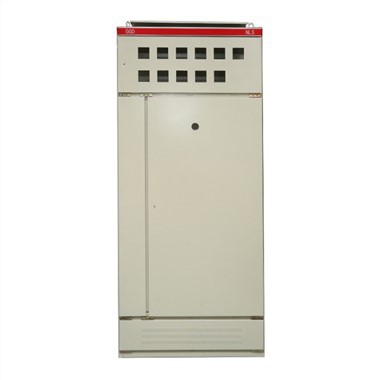
What are the functions of high-voltage capacitor compensation cabinets?
Jul 11, 2023
Why is capacitance compensation necessary? Why use capacitance compensation instead of resistance or inductance compensation? This is because when AC power is introduced into a resistive load, its current and voltage are synchronized because the resistive load has no reactive power. However, when AC power is introduced into an inductive load, the effect of inductance will cause the voltage phase of AC power to advance the current phase. Similarly, when AC power is introduced into a capacitive load, the current phase of AC power will advance the voltage phase due to the effect of capacitance. In daily electrical equipment, most of them are resistive and inductive loads. Resistive loads do not require reactive power, so there is no need for power compensation. However, inductive devices require reactive power, which can cause voltage phase and current phase to be out of sync, leading to voltage leading current. So to synchronize the current and voltage phases, it is necessary to parallel capacitors on the inductive load. Because inductive loads cause voltage to lead current, and capacitive loads cause current to lead voltage, they are positive and negative, just offsetting each other. How to compensate? Nowadays, reactive power compensation controllers are generally used to achieve fully automatic compensation.
The reactive power controllers Ua, Ub, and Uc are respectively connected to the three-phase live wire, which can provide voltage signals to the reactive power controller; Three current transformers are connected in a star shape, and the other end is connected to the Ia, Ib, and Ic terminals of the reactive power controller, which can provide current signals to the reactive power controller. After the reactive power controller has current and voltage signals, it can measure the power factor and control the coil energization and disconnection of 8 contactors. When the reactive power controller detects that the power factor of the line is too low, it will automatically connect a contactor coil. In this way, the capacitor bank connected to the main contact of the contactor is connected in parallel to the busbar, and the power factor will increase. If the power factor is not enough, the reactive power controller will continue to connect a coil and connect a group of capacitors in parallel until the power factor reaches the set value. When the reactive power controller detects that the power factor of the line is too high, it will automatically cut off a set of capacitors. Due to the dynamic changes in load in the line, reactive power compensation is also dynamic.
What is the role of reactive power compensation? The main function of reactive power compensation is to improve power factor, and the main purpose of improving power factor is to improve power utilization and reduce energy loss. If the output power of the same power source (transformer) is all active power, it can be fully converted into economic benefits, because the power supply company charges based on active power. If the output power of the transformer capacity is not only active power, but also needs to be divided into a portion to output reactive power. The active power output will naturally decrease, and the economic benefits will decrease. So the power supply company requires that the power factor of each factory should not be lower than a certain value, and if it is too low, it will be fined
PRODUCT LINK
http://www.switchgear-china.com/switchgear/high-voltage-switchgear/indoor-24-kv-ac-metal-clad-electrical.html
PRODUCT PHOTO


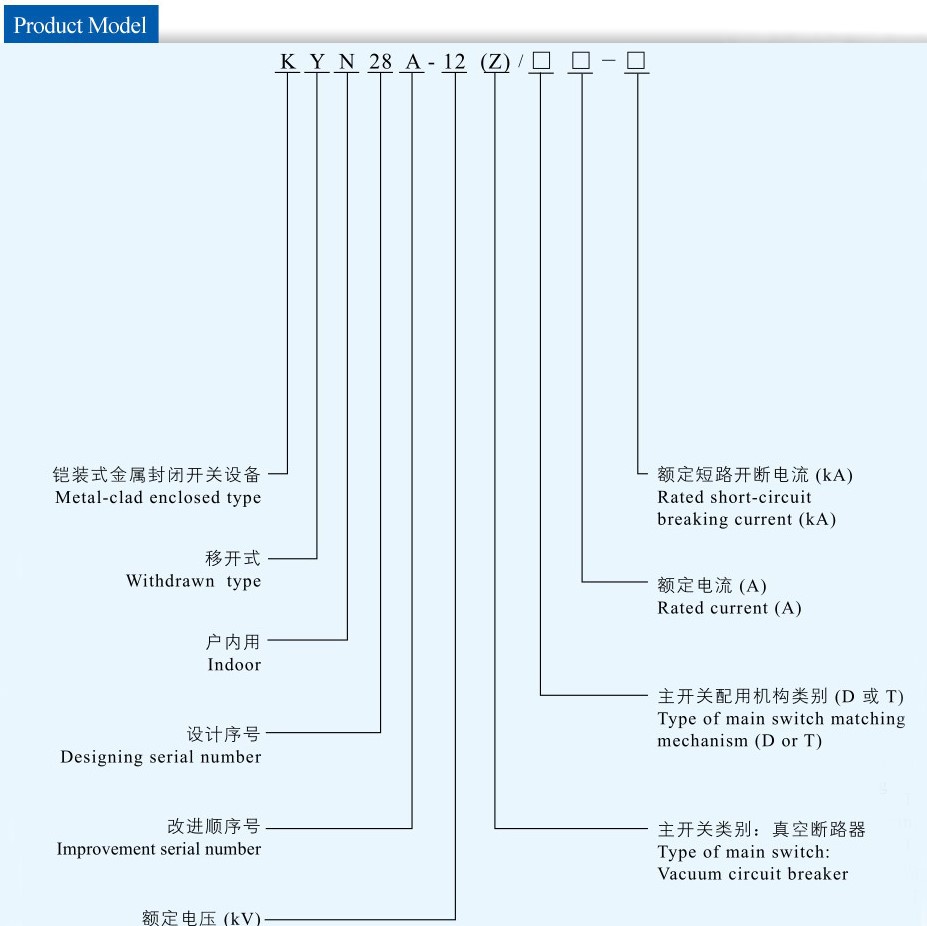
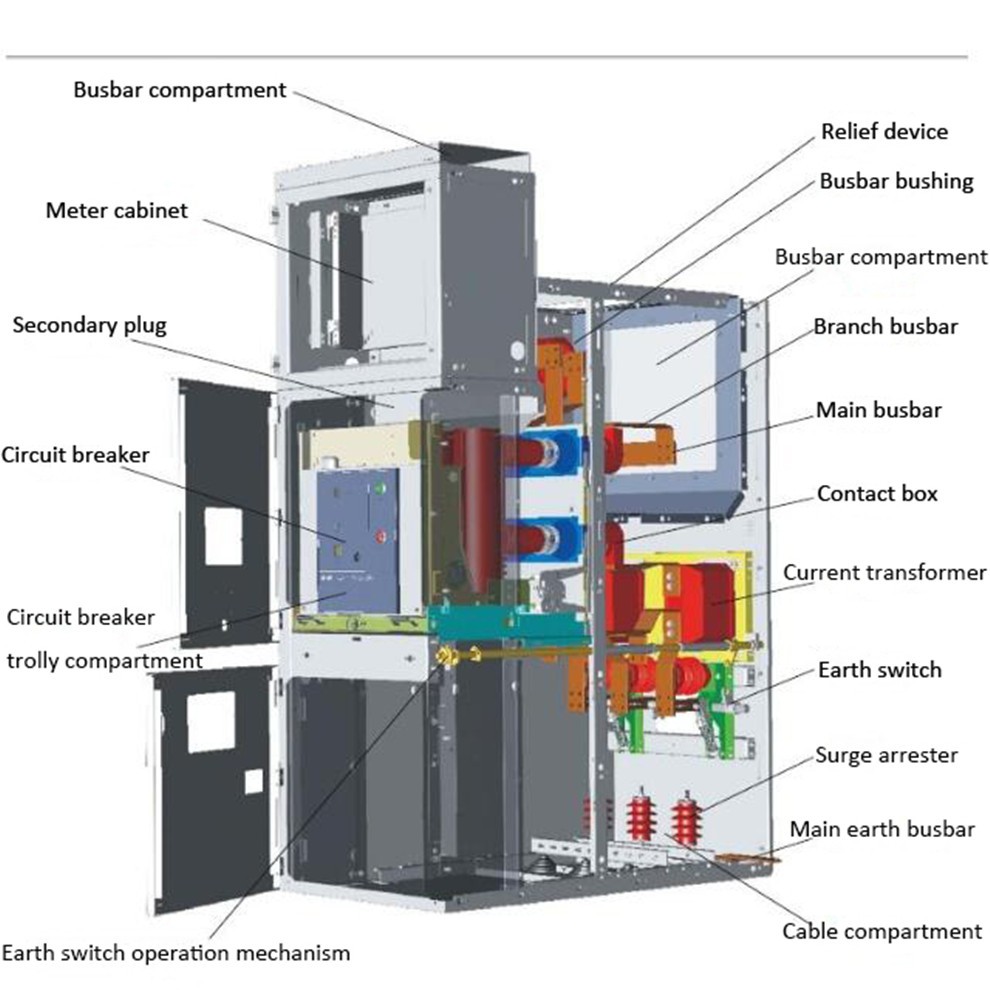
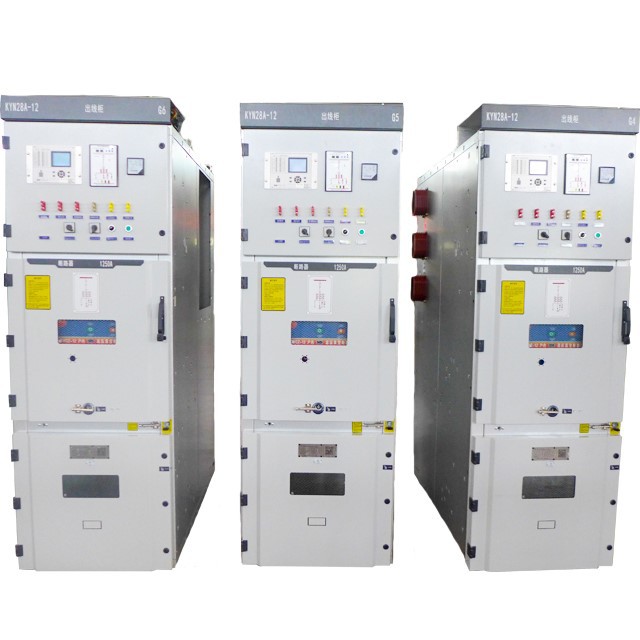
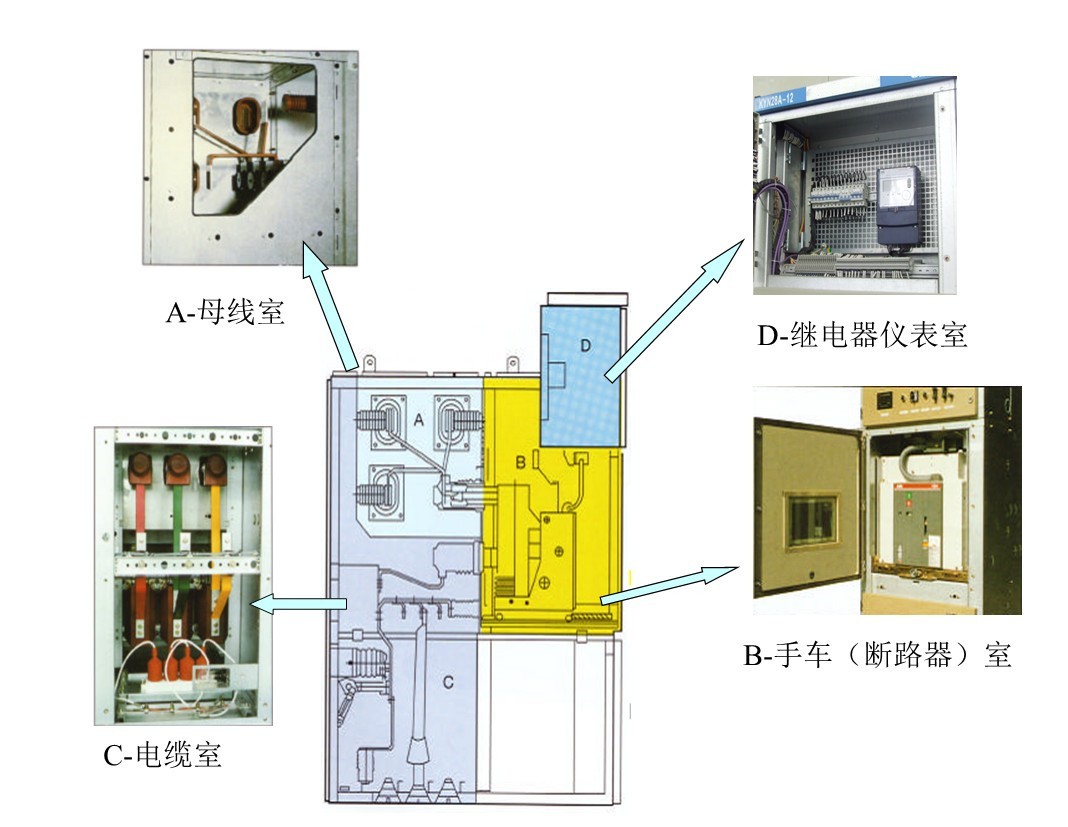
This product is usually customized.
We are a manufacturer and have a professional technical department that can design and provide solutions according to customer needs.
Please contact our sales personnel to obtain design drawings
Here are our customer examples for your reference
IF NEED MORE DETAILES,PLEASE FEEL FREE YO CONTACT US