

The difference between oil-immersed transformers and dry-type transformers
Nov 24, 2023
The difference between oil-immersed transformers and dry-type transformers
Dry transformation is required in complex buildings (basements, floors, roofs, etc.) and densely populated areas. The oil transformer is used in an independent substation. The transformer inside the box transformer generally adopts dry transformation. Outdoor temporary electricity generally uses oil transformers. During construction, dry transformation and oil transformation are selected based on space. Oil transformation can be chosen when the space is large, and dry transformation can be chosen when the space is crowded.
The regional climate is relatively humid and hot, making it easy to use oil. If dry transformation is used, forced air cooling equipment must be equipped.
1. Appearance:
The packaging forms are different. Dry type transformers can directly see the iron core and coil, while oil type transformers can only see the outer shell of the transformer.
2. Different lead forms:
Most dry type transformers use silicone rubber sleeves, while most oil type transformers use ceramic sleeves.
3. Different capacities and voltages:
Dry type transformers are generally suitable for distribution, with a capacity of mostly below 1600KVA and a voltage of 10K. There are also some that can achieve a voltage level of 35KV. However, oil type transformers can achieve full capacity from small to large, and the voltage level can also achieve all voltages. The ultra-high voltage 1000KV test line being constructed in China must use oil type transformers.
4. Insulation and heat dissipation are different:
Dry type transformers are generally insulated with resin and are cooled by natural air. Large capacity transformers are cooled by fans, while oil type transformers are insulated with insulating oil. The circulation of the insulating oil inside the transformer dissipates heat from the heat generated by the coils onto the transformer's heat sink.
5. Applicable location:
Dry type transformers are mostly used in places that require "fire prevention and explosion protection", and are generally easy to use in large buildings and high-rise buildings. However, oil type transformers may cause fires due to oil spray or leakage after an "accident", and are mostly used outdoors, and there are places where "accident oil pools" are excavated.
6. Different load-bearing capacities:
Generally, dry type transformers should operate at rated capacity, while oil type transformers have better overload capacity.
7. The cost is different:
For transformers of the same capacity, the purchase price of dry type transformers is much higher than that of oil type transformers. Dry type transformers usually start with SC, epoxy resin casting encapsulated, SCR non epoxy resin casting solid insulation encapsulated, and SG open type. Different types of dry type transformers mostly use silicone rubber sleeves, while oil type transformers mostly use ceramic sleeves.
Overall, the fundamental difference between the two lies in the difference in cooling medium, where transformer oil (as well as other oils such as β Oil is used as the cooling and insulation medium, while dry transformation uses air or other gases such as SF6 as the cooling medium. The body of the oil transformer is placed in a tank filled with transformer oil. Dry transformation often involves encapsulating the iron core and winding body with epoxy resin casting. There is also a type that is more commonly used now, which is non encapsulated. The winding is impregnated with special insulation paper and insulation paint to prevent the winding or iron core from getting damp
PRODUCT LINK
http://www.switchgear-china.com/power-distribution-transformer/oil-immersed-transformer/pole-mounted-single-phase-transformers.html
PRODUCT PHOTO


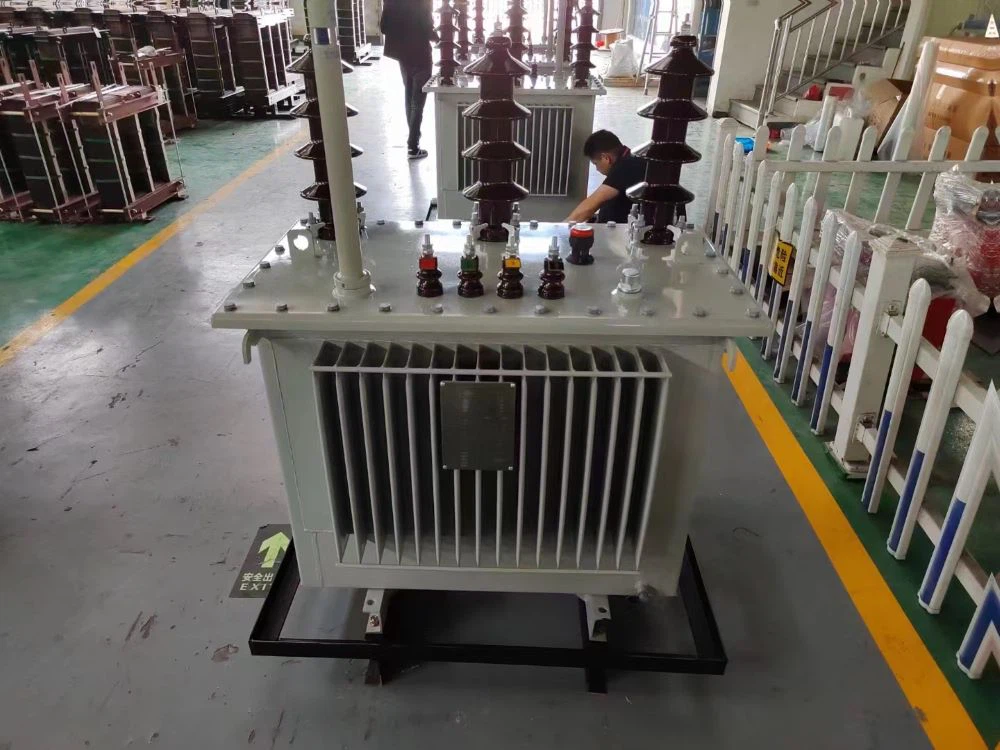

This product is usually customized.
We are a manufacturer and have a professional technical department that can design and provide solutions according to customer needs.
Please click on the button below to send us the information, and our sales personnel will contact you to provide you with the design drawings
Here are our customer examples for your reference
Uzbekistan customer
Data Sheet N° 1-A: Transformer H61 20kV/400V of 160 kVA
|
DESIGNATIONS |
UNITS |
SPECIFIC DATA |
CANDIDATE DATA |
|
Maker |
|
To be indicated |
|
|
Reference standard |
|
IEC 60076 |
|
|
Type |
|
Phase |
|
|
Vat |
|
Hermetic |
|
|
Execution |
|
Tropicalized |
|
|
Dielectric |
|
PCB-free oil |
|
|
Installation |
|
On pole |
|
|
Operating ambient temperature |
°C |
45 |
|
|
Rated frequency |
Hz |
50 |
|
|
Rated power |
Kva |
160 |
|
|
Rated primary voltage |
Kv |
20 |
|
|
Isolation level assigned to primary school |
Kv |
24 |
|
|
Number of phases in primary school |
|
03 |
|
|
Secondary voltage |
V |
400/230 |
|
|
Voltage adjustment range on the M side when unladen |
% |
±2.5 |
|
|
Coupling |
|
DYn11 |
|
|
Short circuit voltage |
% |
4 – 4.5 |
|
|
Neutral sized for one load |
% |
100 |
|
|
Maximum vacuum losses |
W |
230 - 460 |
|
|
Losses due to Maxi load |
W |
1450 - 2350 |
|
|
Maximum steady-state oil temperature |
°C |
55 |
|
|
Maximum temperature of the windings in steady state |
°C |
60 |
|
|
Winding material |
|
Electrolytic copper |
|
|
Maximum noise level |
Db |
52 |
|
|
50Hz industrial frequency hold, 1 min |
Kv |
50 – 70 |
|
|
Shock wave resistance (1.2/50 micros) |
Kv |
125 - 170 |
|
|
Cooling |
|
ONAN |
|
|
Nameplate |
|
01 |
|
|
Grounding connection |
|
01 |
|
|
Dimensions Height/width/depth |
mm x mm x mm |
1200 X 1270 X 820 |
|
|
Total mass of transformer including oil |
Kg |
700 |
|
|
Oil mass |
Kg |
160 |
|
|
PAINT |
|
||
|
|
|
Tropicalized and anti-rust |
|
|
|
Number |
Layers |
|
|
|
|
Binder |
|
|
|
|
Colour |
|
|
|
|
Plans and technical diagrams to be provided. |
|
IF NEED MORE DETAILES,PLEASE FEEL FREE YO CONTACT US


