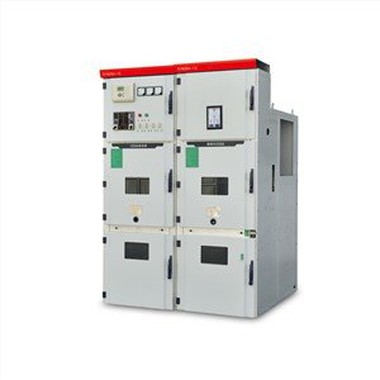
Why does the switch cabinet heat up when it is used?
Apr 02, 2021
The actual temperature rise inside the switchgear, especially the busbar connection, is usually higher than the data measured by the type test. The main reasons are as follows:
(1) The measured data of the type test is usually completed in the laboratory, the duration is not long, usually no more than 8h, does not have the cumulative effect of temperature rise, and cannot be equal to the equipment that runs for a long time and continues to generate heat.
(2) Different metals have different expansion effects. The metal expansion coefficient of steel bolts is much smaller than that of copper and aluminum busbars, especially bolt-type equipment joints. With the change of load current and temperature during operation, the expansion and contraction of aluminum or copper and iron will change. There are differences and creep, that is, the slow plastic deformation of metal under the action of stress. The process of creep is also greatly related to the temperature at the joint. Practice has proved that when the operating temperature of the joint exceeds 80°C, the joint metal will expand due to overheating, staggering the position of the contact surface, forming tiny gaps and oxidizing. When the load current decreases and the temperature drops back to the original contact position, due to the coverage of the oxide film on the contact surface, it is impossible to directly contact the metal during the original installation. The contact resistance increased by each cycle of temperature change will increase the heat in the next cycle, and the increased temperature will further deteriorate the working condition of the joint, thus forming a vicious circle.
(3) Other factors on the site, such as improper installation and maintenance techniques, such as improper handling, unevenness, and non-smoothness of the busbar contact surface during the processing, connection, and installation of the busbar, resulting in effective The contact area decreases and the contact resistance increases and heat is generated.
(4) Improper pressure of fastening bolts at the connection part. Some installation or maintenance personnel think that the tightening of the connecting bolts, the better when connecting the conductors, but this is not the case. Especially the aluminum busbar has a small elastic coefficient. When the pressure of the nut reaches a certain critical pressure value, if the strength of the material is poor, and the improper pressure continues to increase, it will cause part of the contact surface to deform and bulge, which will reduce the contact area. The contact resistance increases, thereby affecting the conductor contact effect. The conductivity of the selected conductor material does not meet the requirements, most of which are due to insufficient purity of the conductor material.