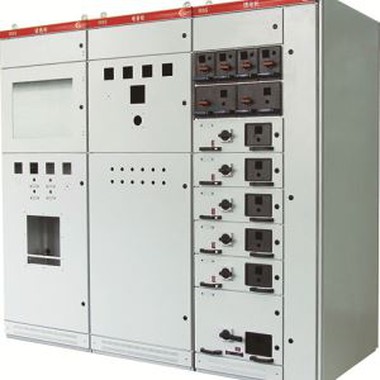
Production principle of box-type substation
Nov 14, 2020
A box-type substation is a compact complete set of power distribution equipment that combines high-voltage switchgear distribution transformers, low-voltage switchgear, electric energy metering equipment and reactive power compensation devices in one or several boxes according to a certain wiring scheme. It is suitable for use in a three-phase AC system with a rated voltage of 10/0.4KV as a circuit and for distributing electric energy.
Compared with the European-style box-type transformers of the same capacity, the structure of the American box-type transformer substations is more reasonable. Because the European-style box substation installs the transformer and ordinary high-voltage electrical equipment in the same metal shell box, the transformer has a high room temperature, which causes difficulty in heat dissipation and affects the output; on the other hand, ordinary high-voltage load switches and fuses are used in the box. The European-style box-type substation has a larger volume. The structure of American type box change is different from European type box change. From the arrangement point of view, the low-voltage room, transformer room, and high-voltage room are not arranged in mesh type, but in pin type. From the structural point of view, this box-type variable is divided into front and rear two parts. The front is the high and low voltage operation interval. The operation interval includes high and low voltage connection terminals, load switch operating handle, no-load voltage regulation sub-switch, and plug-in fuse. The rear is the fuel tank and the heat sink, and the transformer winding, iron core, high voltage load switch and fuse are placed in the transformer tank.
The arrester also uses oil-immersed metal oxide arrester. The transformer eliminates the oil pillow, and adopts the principle of constant oil and air gap volume to design a sealed oil tank. The oil tank and radiator are exposed to the air, so there is no difficulty in heat dissipation. Low-voltage circuit breakers use molded case circuit breakers as main circuit breakers and outlet circuit breakers. Due to the simplified structure, the footprint and volume of this box-type substation are greatly reduced. Because of its small size and only one side door, the required footprint is only 1/4 of that of the European-style box substation, and the volume is only It is 1/5-1/3 of the same capacity European box change. The high-voltage side of the American box substation is protected by fuse, and the low-voltage side is protected by a plastic case automatic air circuit breaker, which is the same as the protection method of China's 10kV distribution transformer. The high-voltage fuse protects the internal fault of the transformer, and the automatic air circuit breaker protects the overcurrent, short circuit and undervoltage faults of the low-voltage side circuit. The shortcomings of American box change. Because the load switch is immersed in oil, the oil is carbonized and decomposed by the electric arc, and harmful gases such as acetylene are generated, which causes performance degradation and accidents. No obvious disconnection points can be seen, and maintenance is inconvenient. Because the low-voltage protection and measurement methods in the United States are different from those in China, the American box substation itself does not have low-voltage protection and measurement. To meet the needs of domestic users, domestic box substations are equipped with low-voltage power distribution cabinets on the low-voltage side. Because the box-type transformer is exposed to direct sunlight for a long time, it affects the heat dissipation of the molded case circuit breaker, making the circuit breaker unable to normally break the load and short-circuit current, which is easy to cause high-voltage side faults.