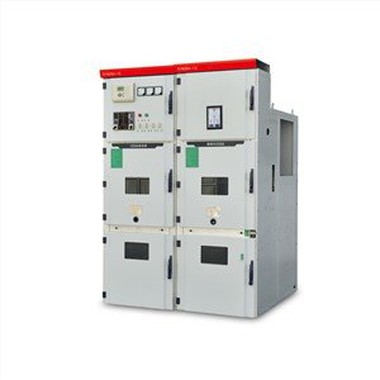
Internal structure and operation of low voltage power distribution cabinet
Jan 07, 2022
The common characteristics of the internal structure of low-voltage distribution cabinet are: four compartmental rooms, respectively low-voltage room, circuit breaker room (also known as high voltage room), bus room, cable room the structural layout of different manufacturers are much the same, and the specific layout rules are controlled or confidential documents.
Distribution box is divided into two parts. A complete set of components, namely distribution box shell and related accessories. Electrical components and related accessories, i.e. air switches and their required accessories.
The cabinet is composed of the following parts: a circuit breaker: both switch, is the main components of the distribution cabinet, commonly used air switch, leakage switch double power automatic conversion switch.
Air switch:
A. Concept of air switch:
Air switch is also the air circuit breaker, in the circuit for connecting, breaking and bearing rated working current and short circuit, overload and other fault current, and can be in the line and load overload, short circuit, undervoltage and other cases, quickly broken circuit, reliable protection. Dynamic and static contacts and contacts of circuit breakers are designed in various types, but the main purpose is to improve the breaking capacity of circuit breakers. At present, the principle of limiting the peak current of short-circuit current by using certain contact structure has obvious effect on improving the breaking ability of circuit, and is widely used.
B. Working principle of air switch:
Automatic air switches, also known as low-voltage circuit breakers, are used to switch on and off load circuits and to control motors that start infrequently. Its function is equivalent to the knife switch, over current relaying, voltage loss relay, thermal relay and leakage protector and other electrical parts or all of the total function, is an important protection of low voltage distribution network.
Automatic air switch has a variety of protection functions (overload, short circuit, under-voltage protection, etc.), adjustable action value, high breaking capacity, convenient operation, safety and other advantages, so it is widely used at present.
Leakage protection switch:
A. Concept of leakage protection switch:
Both with leakage protection function, people touch the charged experience trip, to ensure personal safety, is the main function of leakage protector; If the electrical equipment insulation is not good leakage to the shell, leakage protector will trip, to avoid human touch electric shock. At the same time, it has the function of current break off, over load protection and short circuit protection.
B. Working principle of leakage protection switch:
Working principle diagram of leakage protector. H in the figure is the zero-sequence current transformer, which consists of an iron core made of Permaloy and a secondary coil wound around the annular iron core. The phase line and neutral line pass through the hole to form the primary coil of the zero sequence transformer. The rear outlet of the transformer is the protection scope.
C. The role of leakage protection switch:
1, when the electrical equipment or line leakage or grounding fault, can not touch before the power cut.
2, when the human body touches the charged object, it can cut off the power supply within 011s, so as to reduce the damage of the current to the human body.
3, can prevent fire accidents caused by leakage.
Double power automatic switch:
A. Concept of dual power automatic transfer switch:
The dual-power automatic switching switch is a dual-power automatic switching system. When the first circuit fails, the dual-power automatic switching switch automatically switches to the second circuit to supply power to the load. If the second circuit fails, the dual-power automatic switching switch automatically switches to the first circuit to supply power to the load. Suitable for UPS-UPS, UPS- generator,1PS- mains, mains - mains, any two power supply conversion.